Properties Prepared Before Fire Season Arrives
Fire Mitigation in Southern Oregon for homes and acreage facing wildfire risk during June through October
Overgrown brush, unmanaged trees close to structures, and dry grass create ignition pathways that turn small embers into property-threatening fires. Wells Family Construction LLC addresses these hazards through targeted vegetation removal and defensible space creation across Southern Oregon, where the primary risk period runs from June through October. Property owners see fuel loads reduced, clearance zones established, and insurance requirements met before peak fire season begins.
Fire mitigation involves removing high-risk vegetation within designated zones around structures, trimming tree canopies to prevent ladder fuels, and clearing combustible materials that accumulate near buildings and property lines. The work focuses on creating measurable separation between fuel sources and structures, addressing both ground-level vegetation and overhead limbs that can carry fire. Insurance providers often specify clearance distances and vegetation management standards that directly affect coverage eligibility and premium costs.
Schedule a property assessment to identify specific fire hazards and required clearance zones.
How Vegetation Removal Creates Measurable Defensible Space
Wells Family Construction LLC evaluates properties for brush density, tree proximity to structures, and dead or dying vegetation that serves as kindling during fire events. The clearing process establishes zones based on distance from buildings, with the immediate area around structures receiving the most aggressive fuel reduction and outer zones managed to reduce fire intensity and rate of spread. Weed and grass removal eliminates fine fuels that ignite easily, while tree trimming removes lower branches that allow ground fires to climb into canopies.
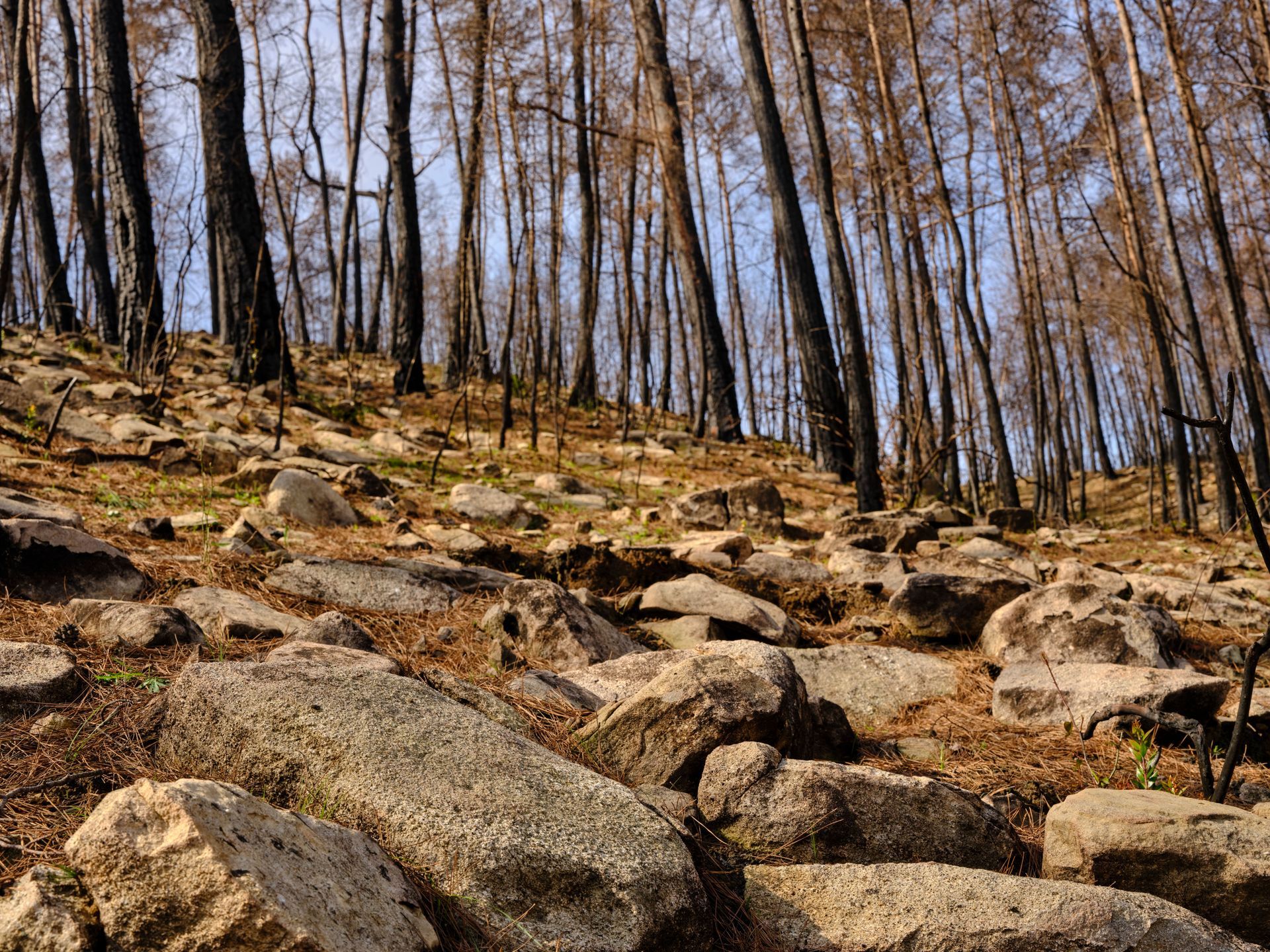
After clearing, you notice visible separation between vegetation and buildings, reduced undergrowth that previously created continuous fuel beds, and trimmed trees with six to ten feet of vertical clearance from the ground. Dead material no longer accumulates against foundations or under decks, and pathways around structures remain accessible for firefighting equipment. Properties that previously showed dense vegetation within thirty feet of homes now display clear zones where embers landing during wind events find minimal fuel to sustain ignition.
The scope of clearing varies based on property size, terrain, and insurance mandates. Large acreage properties and family farms require different approaches than residential lots in town, with considerations for agricultural use, livestock access, and maintaining functional landscapes while reducing fire risk. Some insurance providers require photographic documentation of cleared zones and specific measurements from structures to remaining vegetation lines.
Questions Homeowners Ask Before Fire Season
Property owners preparing for wildfire season in Southern Oregon often want to understand how the work aligns with both safety objectives and insurance requirements.
What determines how much vegetation needs removal around my home?
Clearance requirements depend on your insurance provider's specifications, local fire codes, and the slope of your property, with steeper terrain often requiring wider defensible space zones because fire spreads faster uphill.
When should fire mitigation work be completed to meet insurance deadlines?
Most insurance providers require documentation of completed clearing before June when the primary risk period begins, meaning late winter through early spring offers the best window for scheduling and completing work before vegetation dries and fire restrictions take effect.
How is tree trimming different from complete tree removal in fire mitigation?
Trimming removes lower branches and dead limbs to prevent fire from climbing into the canopy while keeping the tree alive, whereas removal is reserved for trees too close to structures, already dead, or posing immediate hazard due to disease or structural failure.
What happens to the cleared brush and vegetation after removal?
Material is either chipped on-site for use as ground cover in non-hazard areas, hauled away for disposal, or in some cases burned during approved burn periods when conditions allow and permits are obtained.
How does Southern Oregon's dry climate affect the timeline for fire mitigation?
The region's limited rainfall from late spring through fall means vegetation dries rapidly once temperatures rise, making early-season clearing essential before materials become too dry to handle safely and before fire restrictions prohibit certain removal methods.
Wells Family Construction LLC works directly with property owners to align clearing efforts with insurance provider requirements, ensuring documentation and scope meet the specific standards outlined in your policy. Contact us to review your property layout and develop a mitigation plan that addresses both defensible space creation and coverage compliance before the June through October risk period begins.